
When you crave homemade pasta but need to avoid gluten, this two-ingredient gluten-free pasta dough is your go-to solution! Not only is it incredibly simple to make, but it also delivers a deliciously satisfying texture that rivals traditional pasta. Perfect for any occasion, whether it’s a cozy family dinner or an impressive date night spread, this pasta dough can be transformed into various shapes and served with your favorite sauces. Let’s dive into how you can create this delightful gluten-free dish in no time.
Ingredients
To make this easy and versatile gluten-free pasta dough, you’ll need just two ingredients:
- 200 grams Bob’s Red Mill 1-to-1 Gluten-Free Baking Flour*
- 3 large eggs
*Ensure to check for gluten-free certification if you have severe gluten sensitivities.
Directions
Creating your own gluten-free pasta dough is straightforward and requires minimal time. Follow these step-by-step instructions:
Prepare the Surface: Start by adding the gluten-free flour to a clean, well-floured surface. A Silpat mat works beautifully for this purpose.
Make the Well: Create a small well in the center of the flour mound. This is where you’ll introduce the eggs.
Scramble the Eggs: Crack the three large eggs into the well you created. Using a fork, scramble the eggs gently, incorporating a little flour from the edges of the well as you go.
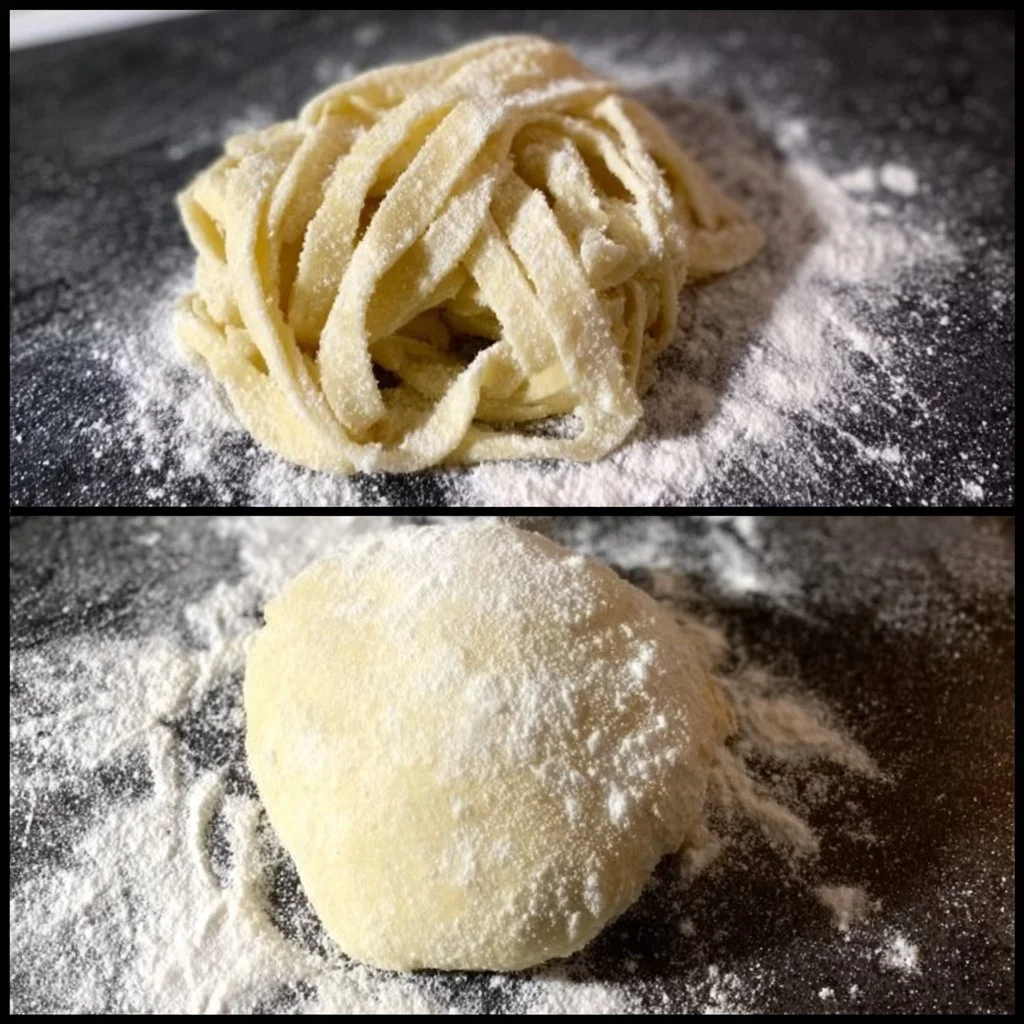
Form the Dough: As the mixture thickens and becomes too stiff to mix with the fork, switch to using your hands. Work the mixture together until it forms a sticky ball. The dough does not require kneading, so it’s ready once the flour is fully integrated into the eggs.
Divide the Dough: Place your dough ball on the floured surface. Cut it into four equal sections to make the rolling process easier.
Roll Out the Dough: Roll each section into a long, thin, flat layer, resembling a lasagna sheet. If you’re using a pasta machine, start with Setting #1 for an even flattening.
Thin It Out Further: Next, run each sheet through the pasta machine again on Setting #2. If the sheets are too lengthy to manage, feel free to cut them in half before continuing to process.
Cut the Pasta: Use a pizza cutter or a butter knife to trim any frayed edges from the sheets. Then, pass each sheet through the pasta machine’s cutting setting of your choice.
Prepare for Cooking: Nest the strands of freshly cut pasta on a lightly floured surface until you’re ready to cook.
Cook the Pasta: Bring a pot of salted water to a rolling boil. Add the pasta strands and cook for about 1-2 minutes. Keep a close eye on the boiling pasta as it cooks quickly.
Drain and Serve: Drain the pasta and rinse with cold water if desired. Serve immediately with your favorite sauce or drizzle with olive oil and sprinkle with sea salt.
Tips
Here are some handy tips to ensure your gluten-free pasta dough is perfect every time:
- Flour Quantity: Be precise with your flour measurements; too much or too little can affect the dough consistency.
- Pasta Machine Settings: If you’re using a pasta machine, keep the settings as low as possible for the first passes to avoid tearing the dough.
- Cooking Time: Since gluten-free pasta cooks faster than traditional pasta, test a strand early to avoid overcooking.
- Serving Hot: The best flavor and texture come when the pasta is served immediately after cooking, so be ready to dine!
Variations
Want to customize your gluten-free pasta? Here are a few variations to consider:
- Herb-Infused Dough: Add finely chopped fresh herbs like basil or parsley into the dough for extra flavor.
- Vegetable Purees: Incorporate pureed vegetables such as spinach or beetroot for color and nutrition.
- Whole Grain Option: Swap the Bob’s Red Mill 1-to-1 flour with a whole-grain gluten-free flour blend for a heartier texture.
Substitutions
If you don’t have Bob’s Red Mill 1-to-1 Gluten-Free Baking Flour on hand, or if you need to make alternative choices, consider the following substitutions:
- Other Flour Blends: You can use other gluten-free all-purpose flour blends, but make sure they are designed to replace wheat flour 1-for-1.
- Aquafaba for an Egg-Free Version: Replace eggs with 6 tablespoons of aquafaba (the liquid from canned chickpeas) and add more flour to achieve the desired dough consistency.
- Vegan Option: Combine 6 tablespoons of ground flaxseed with water (let it sit to thicken) as a binding agent instead of eggs.
Serving Suggestions
This gluten-free pasta pairs well with a variety of sauces and toppings:
- Classic Marinara Sauce: A simple yet flavorful option that’s always a crowd-pleaser.
- Creamy Alfredo: For a rich, indulgent dish, toss the pasta with a homemade or store-bought alfredo sauce.
- Pesto: Toss it with fresh basil pesto for an aromatic, flavorful dish.
- Olive Oil and Garlic: Drizzle with quality olive oil, sautéed garlic, and a touch of red pepper flakes for a quick, delightful meal.
Storage Instructions
To keep your gluten-free pasta fresh:
- Uncooked Dough: Wrap tightly in plastic wrap and store in the refrigerator for up to 2 days. For longer storage, freeze for up to 1 month. When ready to use, thaw in the fridge overnight before rolling out.
- Cooked Pasta: Store any leftover cooked pasta in an airtight container in the fridge for up to 3 days. Reheat by briefly tossing it in a pan on low heat with a little olive oil to avoid stickiness.
FAQs
1. Can I make this pasta dough in advance?
Absolutely! You can prepare the dough in advance and wrap it tightly to store in the refrigerator or freeze for future use.
2. Is this pasta suitable for freezing?
Yes, both uncooked and cooked gluten-free pasta can be frozen. Just make sure to store them correctly in airtight containers.
3. Can I add flavors directly into the dough?
Definitely! Feel free to mix in spices, herbs, or garlic powder for added flavor.
4. How do I know when the gluten-free pasta is done cooking?
It typically cooks in 1-2 minutes. It’s best to test it by tasting a strand for your desired texture.
With this two-ingredient gluten-free pasta dough recipe, you can create delicious, homemade pasta that fits your dietary needs without sacrificing flavor. Enjoy the process, experiment with variations, and most importantly, savor every bite of your culinary creation!
Gluten-Free Pasta Dough
Ingredients
Method
- Add the gluten-free flour to a clean, well-floured surface.
- Create a small well in the center of the flour mound.
- Crack the three large eggs into the well. Using a fork, scramble the eggs gently and incorporate a little flour from the edges.
- As the mixture thickens, switch to using your hands and work the mixture together until it forms a sticky ball.
- Divide the dough ball into four equal sections.
- Roll each section into a long, thin layer, resembling a lasagna sheet.
- Run each sheet through a pasta machine to thin it out further, using settings as necessary.
- Trim any frayed edges from the sheets and cut the pasta using a pizza cutter or a butter knife.
- Nest the strands of freshly cut pasta on a lightly floured surface.
- Bring a pot of salted water to a rolling boil and add the pasta strands.
- Cook for about 1-2 minutes, keeping an eye on the pasta as it cooks quickly.
- Drain the pasta and rinse with cold water if desired. Serve immediately with your favorite sauce.